
Works on Constitutional Principles and the Rule of Law
Understanding the Presidency Through History, Law, and the ConstitutionAuthor, speaker, lawyer, and law professor examining presidential power, constitutional limits, and the first principles of the American republic.
100 Questions About Presidential Power
A Non-Partisan Guide to Understanding the Powers and the Limits of the Presidency
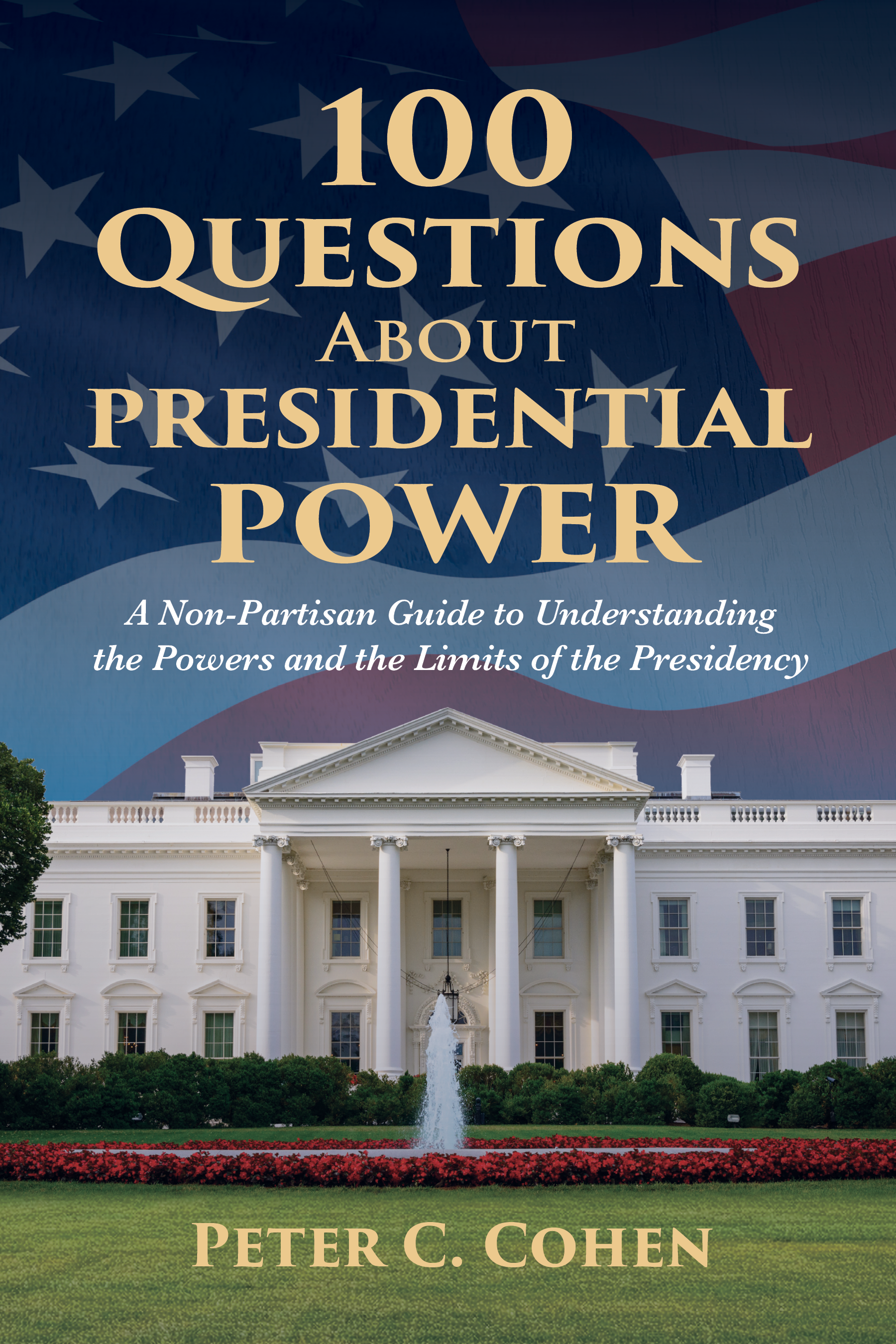
100 Questions About Presidential Power examines some of the most important, controversial, and enduring questions surrounding the American presidency and the constitutional limits that define it.
Organized around one hundred accessible questions, the book explores topics ranging from executive orders, war powers, and pardons to elections, impeachment, succession, and the separation of powers.
Drawing on constitutional history, presidential practice, historical examples, and contemporary controversies, the book explores how presidential authority has evolved—and how constitutional limits continue to shape its exercise.
By organizing the subject around questions rather than chapters of doctrine, the book invites readers to explore the presidency through the issues that most often arise in public debate and civic life.
Drawing on more than forty years of legal experience and years of teaching, 100 Questions About Presidential Power offers readers a practical guide to understanding the presidency, the Constitution, and the institutions that safeguard liberty and democratic self-government.
Now Available
How much power does the President of the United States really have — and what are the limits?
In the Supreme Court's Own Words
First Principles for Checking Presidential Power and Preserving the Republic

In the Supreme Court’s Own Words: First Principles for Checking Presidential Power and Preserving the Republic explores how the U.S. Supreme Court has served as a constitutional check on executive overreach from the Founding Era to the present.
Spanning decisions from 1803 to 2024, the book traces how the Court has articulated – and repeatedly affirmed – bedrock principles that define the lawful boundaries of presidential power.
Distinctive in approach, the book weaves together the Supreme Court’s own words with vivid, contemporary hypotheticals that bring constitutional principles to life.
Designed to be both historically grounded and civically useful, it invites readers to engage directly with the language of the Court while offering clear, plain-language guidance through its more complex rulings.
Written by a veteran litigator and legal educator,,In the Supreme Court’s Own Words provides an accessible yet rigorous account of how the Constitution operates under stress – offering a timely and necessary reflection on the role of law in checking presidential power and preserving the American Republic.
Now Available
Drawing on decades of experience and observation, this thought-provoking book explores...
About the Author
Peter C. Cohen is a law professor and seasoned attorney with over forty years of first-chair civil litigation, legal writing, editing, and appellate advocacy experience, during which he developed deep expertise in the jurisprudence of the U.S. Supreme Court.

Featured in the C-SPAN program In the Supreme Court’s Own Words, this discussion offers insight into how the Supreme Court functions, how decisions are made, and the institutional dynamics that shape judicial reasoning at the highest level.
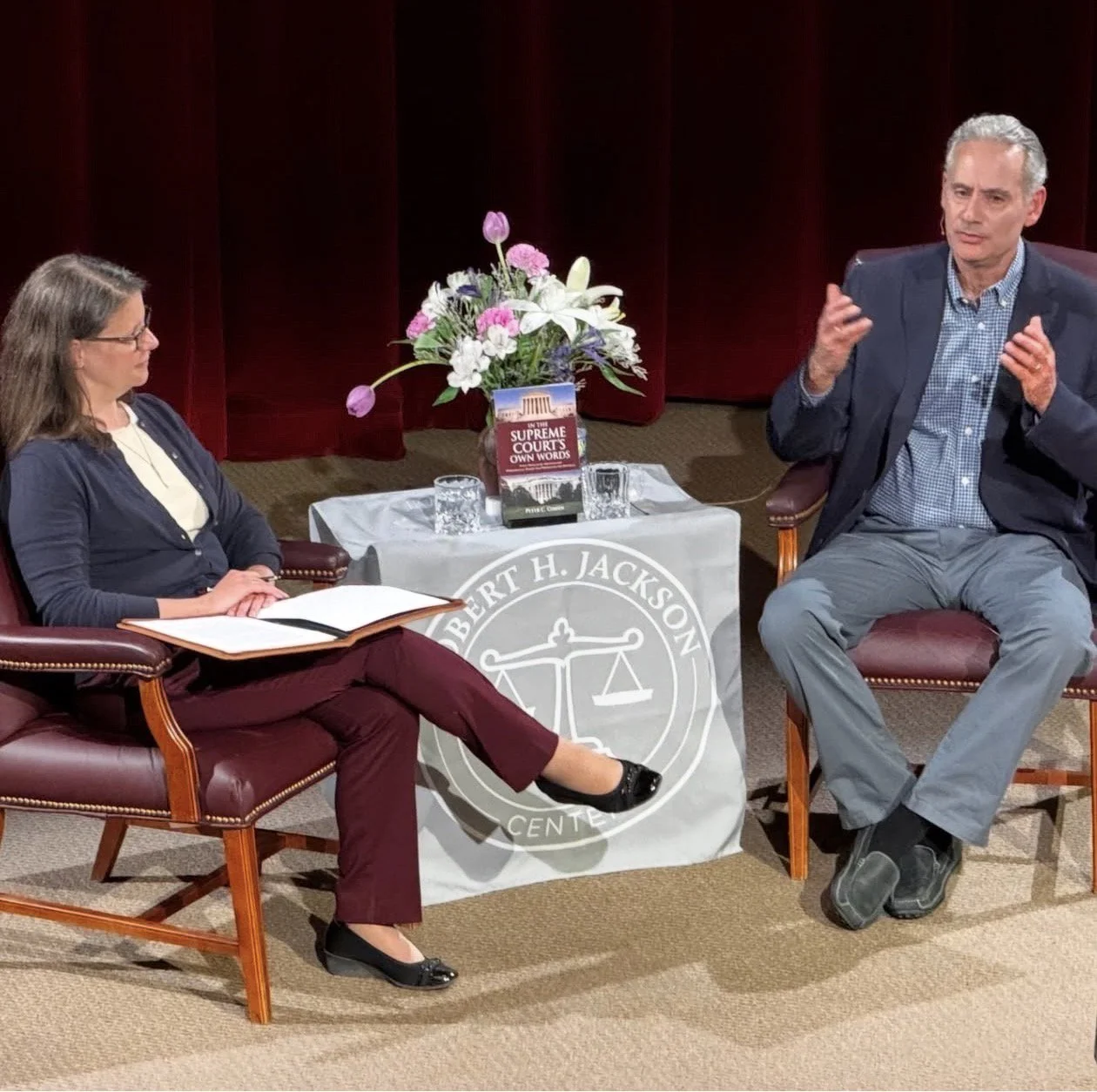

Presented to the Falcons Landing Chapter of the Military Officers Association of America, this discussion explores the constitutional powers and limits of the presidency, the system of checks and balances, and the role of the Supreme Court in defining the boundaries of presidential authority.
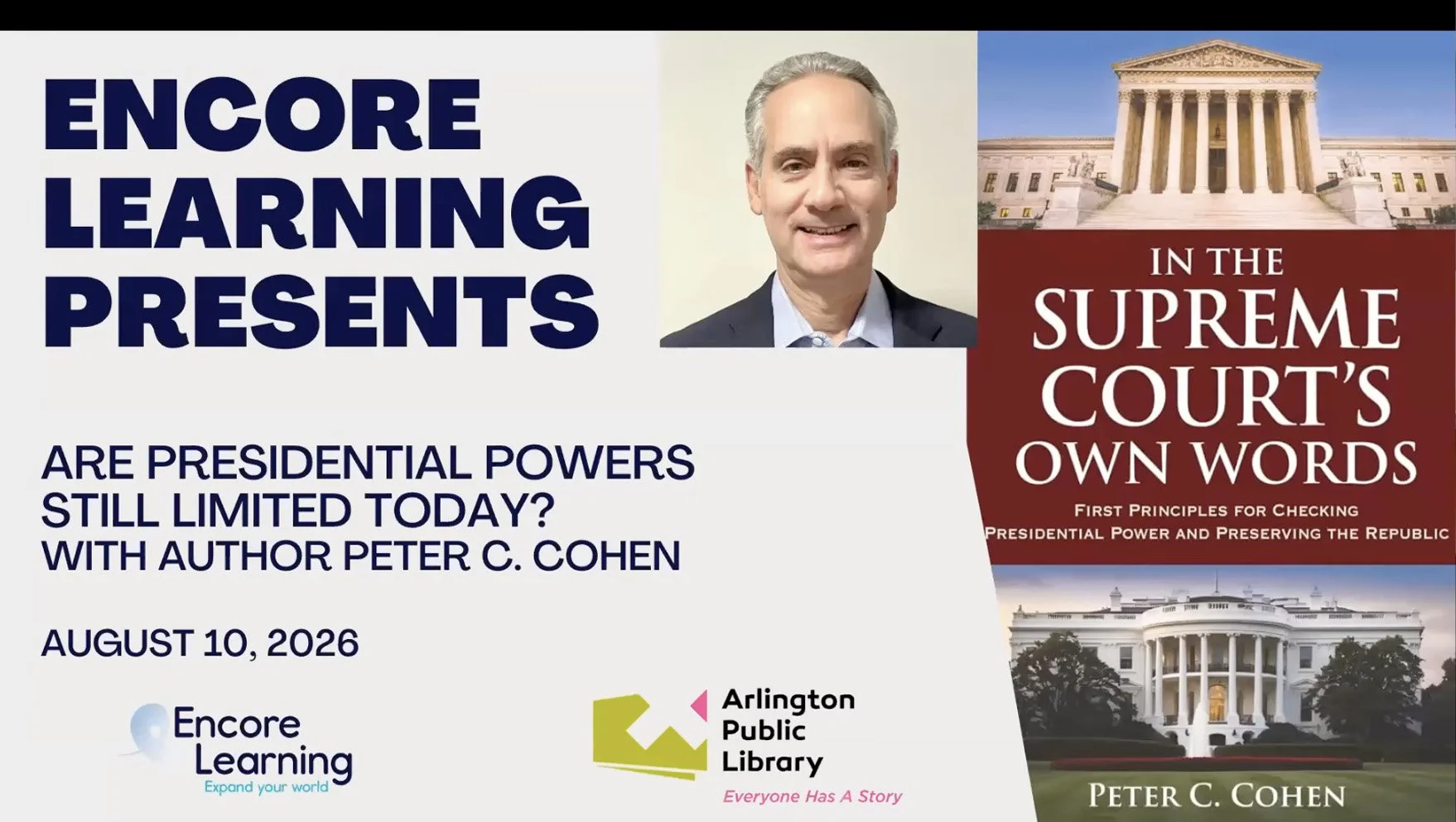
Presented to Encore Learning, this discussion considers how the constitutional framework governing presidential power operates in practice today, using historical examples and contemporary controversies to examine the continuing tension between presidential authority and the safeguards designed to constrain it.
What Readers Are Saying
-
“This is a book that contributes to the current public debate about the extent of Presidential powers. It is a fairly comprehensive analysis of how SCOTUS has ruled on issues involving Executive powers. It is well written and appropriate for the general public.”
—Mary B
-
“Beautifully written, logically explained, and very, very interesting. Whether you're a policy work, a legal scholar, or a citizen with questions, there's plenty to learn and enjoy in Cohen's book. I hope to see him on some evening news/politics shows to provide much-needed context about the relationships between our branches of government.”
—Phil Buckberg